 EN
EN AR
AR
 DA
DA
 NL
NL
 FR
FR
 DE
DE
 EL
EL
 HI
HI
 IT
IT
 JA
JA
 KO
KO
 PL
PL
 PT
PT
 RU
RU
 ES
ES
 TL
TL
 ID
ID
 VI
VI
 TH
TH
 TR
TR
 FA
FA
 MS
MS
 KK
KK
 UZ
UZ
 KY
KY

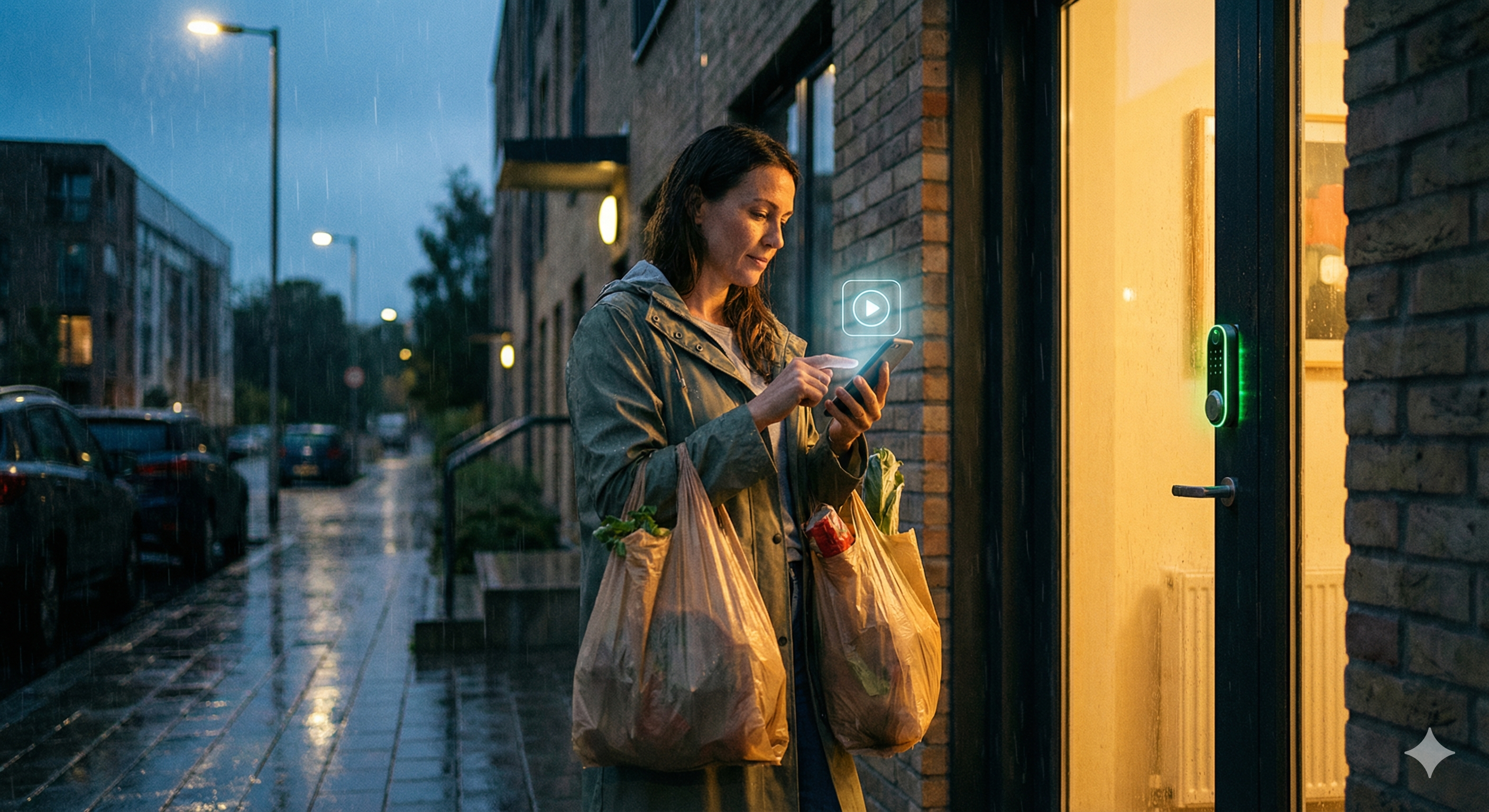
قبل عدة سنوات، انتشرت سلسلة من مقاطع الفيديو المثيرة للقلق على منصات وسائل التواصل الاجتماعي، محدثةً هزةً في قطاع أمن المنازل الذكية. وفي هذه المقاطع، يمسك شخصٌ جهازًا لا يزيد حجمه عن مجموعة بطاقات لعب — وأُطلق عليه اسم «الصندوق الأسود الصغير» — ويُمرّره أمام قفل ذكي رقمي. وفي غضون ثلاث ثوانٍ، ينسحب البرغي المُغلق تلقائيًّا، وتتفتح الباب. وقد تسبب هذا الاختراق الذي بدا خارقًا للطبيعة في هلعٍ واسع النطاق، ما دفع العديد من المستهلكين إلى التشكيك فيما إذا كانت الأقفال الذكية معيبة جوهريًّا.
ومع ذلك، ونحن نجتاز مشهد الأمن المتقدم لعام ٢٠٢٦، فقد حان الوقت لكشف غموض هذه الظاهرة. هل يظل «الصندوق الأسود» تهديدًا فعليًّا، أم أنه مجرد أسطورة منتشرة على الإنترنت؟ وبتحليل الهندسة الدقيقة والفيزياء الكامنة وراء أنظمة التحكم في الدخول الحديثة، يمكننا اكتشاف مدى قوة الجدران الدفاعية الكهرومغناطيسية لأقفال الذكية عالية الجودة فعليًّا.
كشف التهديد: العلم وراء هجوم ملفِّ التسلا
لكي تهزم عدوًّا، يجب أن تفهم أولًا سلاحه. إن «الصندوق الأسود الصغير» الشهير ليس جهاز كمبيوتر متقدِّم للقرصنة؛ بل هو ببساطة ملفٌّ صغير الحجم من نوع ملفِّ تسلا .
عند تفعيل هذا الجهاز، فإنه يستخدم محولًا لتحويل الجهد المنخفض من البطاريات القياسية إلى آلاف الفولت، مُولِّدًا نبضة كهرومغناطيسية (EMP) عالية التردد وشديدة الشدة. وتستغل هذه الهجمة ثغرات الأجهزة في أقفال الذكية الرخيصة أو الجيل الأول منها أو غير المُسجَّلة علامة تجارية. وفي هذه المنتجات الرديئة، يقلل المصنعون التكاليف عبر ترك اللوحة الأم الداخلية والدوائر الكهربائية مكشوفة تمامًا دون أي درعٍ واقٍ من التداخل الكهرومغناطيسي (EMI).
عندما يقترب المجال الكهرومغناطيسي عالي التردد المنبعث من ملف تسلا من هذه الأقفال غير المحمية، فإن الإشعاع يخترق الغلاف البلاستيكي ويُحدث تيارًا كهربائيًّا مفاجئًا وغير طبيعيٍّ مباشرةً على اللوحة الأم. ويؤدي هذا الارتفاع المفاجئ في الجهد الكهربائي إلى فشلين كارثيين: إما أن يتجاهل وحدة التحكم الدقيقة (الميكروكونترولر) ويُرسل مباشرةً جهد «فتح القفل» الخاطئ إلى محرك القابض، أو أن يُحمّل المعالج الرئيسي بشكل زائد مما يؤدي إلى تعطل النظام بالكامل. وبما أن هذه الأقفال منخفضة الجودة كانت مبرمَجةً بشكل رديء، فإنها غالبًا ما تعود تلقائيًّا إلى وضع «السلامة عند الفشل» (Fail-Safe) عند إعادة التشغيل — أي أن الباب يُفتح تلقائيًّا لمنع احتجاز المستخدمين داخله.
القلعة: تصميم مقاوم للتداخل الكهرومغناطيسي
إن التعرّض الواسع الانتشار لـ«الصندوق الأسود» كان في الواقع خدمةً جليلةً قدّمتها الحادثة للصناعة: إذ أزالت بقسوةٍ الشركات المصنِّعة الرديئة. واليوم، فإن الأقفال الذكية المُطابقة للمواصفات والراقية تُصمَّم بمنظومات دفاع كهرومغناطيسية متعددة الطبقات ثلاثية الأبعاد، مما يجعل الهجمات الناتجة عن النبضات الكهرومغناطيسية (EMP) عديمة الجدوى تمامًا.
الدرع المادي (قفص فاراداي): تستخدم الأقفال الذكية الحديثة مبادئ هندسية من فئة هندسة الفضاء الجوي لحماية «أدمغتها». ويتم إغلاق اللوحة الأم الأساسية، وواضعي الاستشعار الحيوي، والأسلاك الحرجة داخل درع معدني صارم. ويعمل هذا الدرع كقفص فاراداي. وعندما تضرب الموجات الكهرومغناطيسية عالية التردد المنبعثة من ملف تسلا القفل، فإن الدرع المعدني يمتص الإشعاع ويبدد الطاقة بأمان عبر أسلاك التأريض الخاصة بالقفل. وبذلك تبقى الدوائر الداخلية سليمة تمامًا وغير متأثرة بالانفجار الكهرومغناطيسي (EMP).
استقرار جهد على مستوى الدائرة: لا يعتمد مهندسو الأمن على الدرع المادي وحده. ف circuits تزويد الطاقة داخل الأقفال الراقية تحتوي الآن على منظمات جهد متقدمة ووحدات حماية من زيادة التيار. وحتى لو نجح جزء ضئيل جدًّا من التيار المستحث في التخطي فوق الدرع المادي، فإن هذه المكونات تمتص التيار الزائد فورًا وتقطع الاتصال بالمحرك، مما يضمن عدم تولُّد أي إشارات كاذبة قد تُفعِّل القابض.
منطق البرمجيات المُصمَّم وفق مبدأ «الفشل الآمن»: تم إعادة كتابة البرمجة الأساسية للأقفال الحديثة بالكامل. وفي الحالة غير المحتملة جدًّا التي تؤدي فيها التداخلات البيئية الشديدة (مثل صاعقة رعدية شديدة قريبة) إلى تعطل المعالج الرئيسي وإعادة تشغيله، يُحدِّد البرنامج بدقة حالة ميكانيكية «آمنة عند الفشل». فإذا فشلت المكونات الإلكترونية، يظل القيص الميكانيكي مغلقًا بإحكام في إطار الباب.
التحقق من الدرع: فهم شهادات الأمان
وبصفتك مستهلكًا، لا يمكنك تفكيك قفل ذكي في المتجر للتحقق من وجود درع معدني. إذن، كيف يمكنك ضمان أن القفل الذي تشتريه محصنٌ ضد «الصندوق الأسود»؟ والإجابة تكمن في شهادات الأمان الصادرة عن جهات موثوقة.
عند تقييم قفل ذكي، يجب أن تبحث عن توافقية الكهرومغناطيسية (EMC) اختبارات معتمدة. شهادة لجنة الاتصالات الفيدرالية (FCC) (الولايات المتحدة) أو علامة CE (أوروبا). وتتطلب هذه الهيئات التنظيمية إخضاع المعدات لاختبارات مختبرية شاقة، تُعرَّض خلالها الأجهزة بشكلٍ صريح لمجالات كهرومغناطيسية ذات ترددات راديوية وتفريغات كهروستاتيكية لضمان عدم حدوث أعطال فيها. وإذا نجح قفل ذكي في اجتياز هذه الاختبارات الصارمة والقياسية، فإن ملف تسلا اليدوي لا يمثل سوى خدعة ترفيهية غير مؤذية.
لا تدع الخرافات القديمة المنتشرة على الإنترنت تُحدِّد قراراتك المتعلقة بأمن منزلك. وبفهمك للفيزياء الكامنة وراء التهديد وللتصميم الهندسي للحل، يمكنك أن تتبنّى بثقة مستقبل الوصول الآلي.
حدِّث نظام أمنك ليصبح مُحصَّنًا تمامًا ضد التداخلات الكهرومغناطيسية
تم تصميم القفلاذ الذكية الرائدة من شركة لا دينغ باستخدام غرف درعية معدنية معزَّزة ودوائر كهربائية مُصمَّمة وفق معايير التوافق الكهرومغناطيسي (EMC)، ما يضمن مناعةً مطلقةً ضد أي تداخل كهرومغناطيسي أو هجمات تُعرف باسم «الصندوق الأسود». ولتزويد منزلك بتقنية آمنةٍ على مستوى البنوك وخالية تمامًا من العيوب، اتصل اليوم بخبرائنا في مجال الأمن عبر تطبيق واتساب: +86 15800194932